
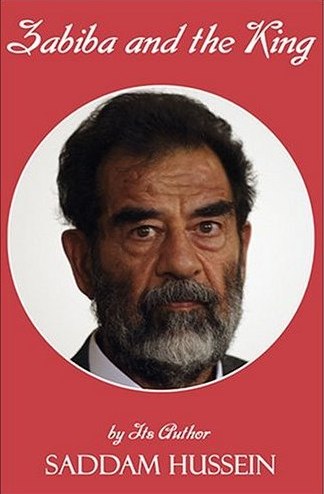
When asked what springs to mind when describing a dictator, the word torturer may be more apt than tortured artist.
Out of the recent rise in public interest surrounding events unfolding during the Arab Spring and the steady succession of toppled dictators, the genre known as dictator-lit has emerged. Despots such as Muamar Gadaffi, Saddam Hussein and Kim Jong-Il are just a few of a number of creatively minded dictators who have penned, or at least claim to have authored, not just memoirs but fiction.
Take for instance Saddam Hussein’s best-selling novel Zabiba and the King. Whilst the fact that this book was a best-seller and later adapted into a musical suggests a successful and recommendable read, it has been largely slated by western critics keen to explore the genre. In his review of the novel, the author and critic Daniel Kalder claims that the book is simply a “torturously extended metaphor for the relationship between the people and the ruler”.
The book wasn’t even a best-seller in its own right, but instead thanks to the authoritarian power of its author, allowing it to be placed on the Iraqi school syllabus. If this “allegorical love story” is not being read for its inspiring romance or impressive prose, then why should we be interested in exploring the creative outpourings of dictators at all?
The recent surge in popularity for unsavoury genres, such as misery-lit, suggests that as readers we are becoming ever more intrigued by real world horrors. Just as misery-lit or horror stories could construct for the reader the image of the monster, within dictator-lit lies the possibility of an insight into the psyche of a real life tyrant.
Books which may have previously only appealed to or been marketed at history students or amateur criminal psychologists are making their way into the
mainstream, as seen in the popular rise of sexual abuse case studies in misery-lit. Is any work of literature by a dictator, from Hitler’s aggressive Mein Kampf to Gadaffi’s laughably over-stated short stories, to remain a controversial literary taboo?
As interest in dictator-lit rises, it’s worth wondering whether and why the works of such infamous men capture our interest and if it is morally right to publish their literature. Could Gurbanguli Bedrymukhamedov’s Book of the Soul be the next big summer read? Or could Kim Jong-Il’s writing find a new level of appreciation amongst literature buffs? Although this may seem about as likely as their authors posthumously receiving the Nobel Peace Prize, popular genres have surprised us before and could very easily do so again.